Achieving Excellence with Precision Engineering

In the construction and industrial sectors, the demand for highly accurate and reliable components is paramount. Precision engineering and precision machining techniques play a critical role in meeting these demands. These disciplines ensure that parts and assemblies meet exact specifications, which is essential for maintaining operational efficiency and minimizing downtime. This article explores the core principles of precision engineering, the various machining techniques employed, and the value delivered by expert engineering companies. It also highlights practical recommendations for businesses seeking to enhance their manufacturing processes through advanced engineering solutions.
Understanding Precision Machining Techniques
Precision machining techniques refer to the methods used to manufacture components with extremely tight tolerances and fine surface finishes. These techniques are essential in producing parts that fit perfectly within complex assemblies, ensuring optimal performance and longevity. Common precision machining methods include:
CNC Milling: Utilizes computer numerical control to remove material from a workpiece with high accuracy. It is ideal for creating complex shapes and intricate details.
CNC Turning: Involves rotating the workpiece while a cutting tool shapes it. This technique is commonly used for cylindrical parts.
Grinding: Employs abrasive wheels to achieve fine surface finishes and precise dimensions.
Electrical Discharge Machining (EDM): Uses electrical discharges to erode material, suitable for hard metals and intricate shapes.
Each technique offers unique advantages depending on the material, design complexity, and required tolerances. For example, CNC milling is preferred for parts with complex geometries, while grinding is often used to achieve superior surface finishes on hardened materials.

The selection of the appropriate machining technique is critical. It directly impacts the quality, cost, and lead time of the final product. Businesses in the construction and industrial sectors benefit from understanding these methods to make informed decisions when sourcing components or designing parts for manufacturability.
The Role of Precision Machining Techniques in Industrial Applications
Precision machining techniques are indispensable in producing components that withstand the rigorous demands of industrial environments. These techniques ensure that parts meet stringent specifications, which is vital for safety, reliability, and efficiency. For instance, in heavy machinery used in construction, components such as gears, shafts, and hydraulic parts must be manufactured with exact dimensions to prevent premature wear and failure.
The application of precision machining extends to:
Hydraulic systems: Components require tight tolerances to maintain pressure and prevent leaks.
Structural assemblies: Accurate parts ensure proper alignment and load distribution.
Tooling and fixtures: Precision machining guarantees repeatability and stability during manufacturing processes.
By employing advanced machining techniques, manufacturers can produce parts that contribute to longer equipment life and reduced maintenance costs. This, in turn, supports uninterrupted operations and enhances overall productivity.
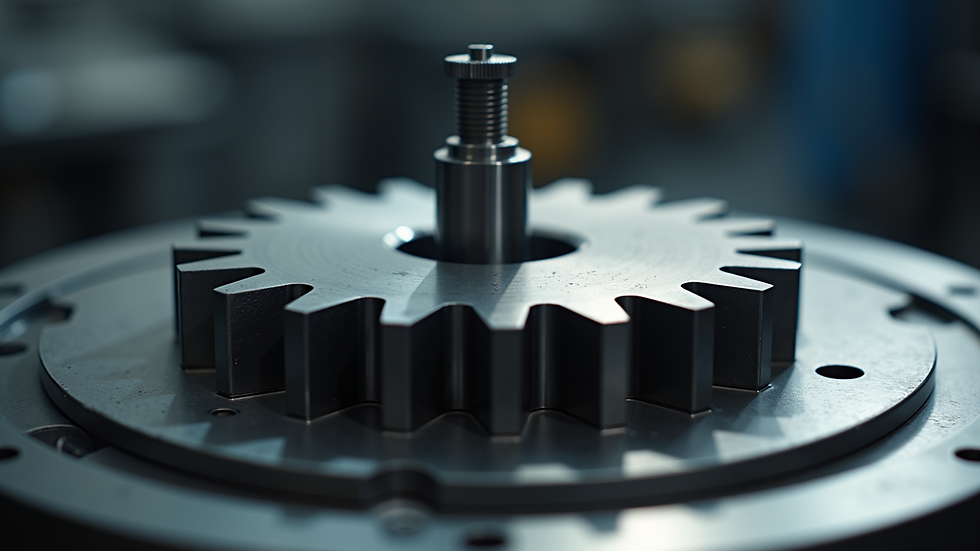
Moreover, precision machining enables customization and rapid prototyping, allowing businesses to adapt quickly to changing project requirements or innovate new solutions. This flexibility is crucial in sectors where project timelines and specifications frequently evolve.
What does a precision engineering company do?
A precision engineering company specializes in designing, manufacturing, and assembling components and systems that require exact measurements and high-quality standards. These companies combine expertise in materials science, mechanical engineering, and advanced manufacturing technologies to deliver products that meet or exceed client expectations.
Key functions of a precision engineering company include:
Design and Development: Collaborating with clients to create detailed engineering drawings and specifications.
Material Selection: Advising on suitable materials based on mechanical properties, environmental conditions, and cost considerations.
Manufacturing: Utilizing precision machining techniques such as CNC milling, turning, grinding, and EDM to produce components.
Quality Control: Implementing rigorous inspection processes using coordinate measuring machines (CMM), optical comparators, and other metrology tools to verify dimensional accuracy.
Assembly and Testing: Ensuring that components fit and function correctly within larger systems.
These companies often provide tailored solutions to address specific challenges faced by clients in the construction and industrial sectors. For example, they may develop custom tooling to improve manufacturing efficiency or design replacement parts that extend the service life of existing equipment.

By partnering with a reputable precision engineering company, businesses can access specialized knowledge and state-of-the-art equipment that may not be available in-house. This collaboration helps minimize downtime and maximizes productivity by ensuring timely delivery of high-quality parts.
Practical Recommendations for Implementing Precision Engineering Solutions
To fully leverage the benefits of precision engineering, businesses should consider the following recommendations:
Engage Early with Engineering Experts: Involve precision engineering specialists during the design phase to optimize parts for manufacturability and cost-effectiveness.
Specify Clear Tolerances and Requirements: Provide detailed specifications to avoid ambiguity and ensure that the final product meets operational needs.
Invest in Quality Control: Implement robust inspection protocols to detect deviations early and prevent costly rework.
Utilize Advanced Materials: Select materials that offer the best balance of strength, durability, and machinability for the intended application.
Adopt Continuous Improvement Practices: Regularly review manufacturing processes and collaborate with engineering partners to identify opportunities for enhancement.
In addition, businesses should consider outsourcing to companies that offer comprehensive precision engineering solutions. Such partnerships provide access to cutting-edge technology and expertise, enabling faster turnaround times and superior product quality.
Enhancing Operational Efficiency through Precision Engineering
The integration of precision engineering into manufacturing workflows significantly enhances operational efficiency. Accurate components reduce the likelihood of assembly errors and equipment failures, which are common causes of downtime in industrial settings. Furthermore, precision parts often require less maintenance and have longer service intervals, contributing to cost savings over time.
Implementing precision engineering also supports compliance with industry standards and regulations, which is critical in sectors where safety and reliability are non-negotiable. For example, components used in load-bearing structures or critical machinery must adhere to strict quality criteria to ensure safe operation.
Businesses can further benefit by:
Streamlining Supply Chains: Working with precision engineering partners who provide rapid support and reliable delivery schedules.
Reducing Waste: Minimizing material scrap through accurate machining and efficient design.
Improving Product Performance: Enhancing the functionality and durability of equipment through superior component quality.
By prioritizing precision engineering, companies position themselves to meet the evolving demands of the construction and industrial markets while maintaining competitive advantage.

The commitment to excellence in engineering not only improves product outcomes but also fosters stronger client relationships through consistent delivery and technical support.
Future Trends in Precision Engineering and Machining
The field of precision engineering continues to evolve with advancements in technology and materials science. Emerging trends that will shape the future include:
Automation and Robotics: Increased use of automated systems to enhance machining accuracy and reduce human error.
Additive Manufacturing Integration: Combining traditional machining with 3D printing to create complex parts more efficiently.
Smart Manufacturing: Implementing sensors and data analytics to monitor machining processes in real-time for improved quality control.
Sustainable Practices: Developing eco-friendly materials and processes to reduce environmental impact.
Staying abreast of these trends is essential for businesses seeking to maintain high standards and capitalize on new opportunities. Collaborating with forward-thinking precision engineering companies ensures access to the latest innovations and best practices.
In summary, achieving excellence in the construction and industrial sectors requires a steadfast commitment to precision engineering and precision machining techniques. By understanding the capabilities and applications of these disciplines, businesses can enhance product quality, reduce downtime, and improve overall operational efficiency. Partnering with expert engineering firms that provide comprehensive precision engineering solutions is a strategic step towards sustained success in demanding industrial environments.


Comments